
The Conflict Over Adaptation
A History of the Vampire in Popular CultureThis thread follows the struggle between fidelity to source texts and the creative freedom required to keep vampire stories alive.
increasing Bearing strength in each event
 decreasing
Bearing strength in each eventdecreasingStoker Estate Resistance
Stoker Estate Resistance
Refused Permission
Florence Balcombe refuses permission for Murnau to adapt Dracula. The legal boundary between homage and infringement becomes part of vampire history.
Creative Evasion
Murnau changes names and details but preserves the recognizable structure. Adaptation begins as an attempt to evade authority.
Copyright Destruction Order
Copyright Destruction Order
Court Victory
The Stoker estate wins a case requiring copies of Nosferatu to be destroyed. Law attempts to erase a film that has already entered cultural circulation.
Escaped Copy
One surviving copy allows the film to persist. Suppression unintentionally intensifies its aura as a rescued artifact.
Faithful Dracula
Faithful Dracula
Repeated Retelling
Screen versions preserve broad elements of Dracula while changing characters, settings, and emphasis. Fidelity becomes a matter of recognizable atmosphere rather than exact transcription.
Performance Authority
Bela Lugosi, Christopher Lee, and Louis Jourdan each redefine the Count. Acting becomes a form of adaptation equal to writing.
Coppola’s Reimagining
Coppola’s Reimagining
Added Backstory
Bram Stoker’s Dracula gives the Count Elisabeta, reincarnation, and a love story absent from the original novel. The adaptation makes romance the engine of monstrosity.
Fidelity Disputed
The film is visually loyal to Gothic atmosphere but narratively revisionist. Its success demonstrates that emotional truth can replace textual accuracy.
BBC Metafiction
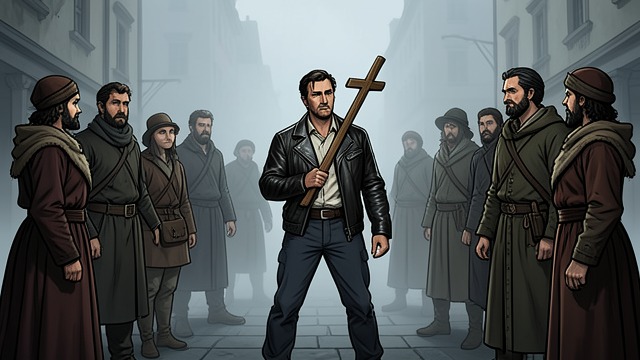
BBC Metafiction
Rules Questioned
The BBC adaptation interrogates myths about crosses, sunlight, invitations, and reflection. It treats vampire lore as a story Dracula has absorbed.
Reinterpretation Defended
Its liberties generate divided responses, but the adaptation argues that Dracula survives through change. A fixed canon would make the character culturally dead.
1922
after the release of Nosferatu
1931 to 1977
1992
2020
